Parking Lot Repair Checklist for Flint, MI, Property Managers Working With a Commercial Asphalt Contractor
This checklist helps property managers in Flint, MI, prepare for a parking lot project with a commercial asphalt contractor, so the first conversation is productive. A little planning keeps your lot open, your customers safe, and your budget clear. Use it from the first walk-through to the final day.
Start With a Damage Survey
Walk your lot before you call anyone. Note what you see so your contractor can quote accurately.
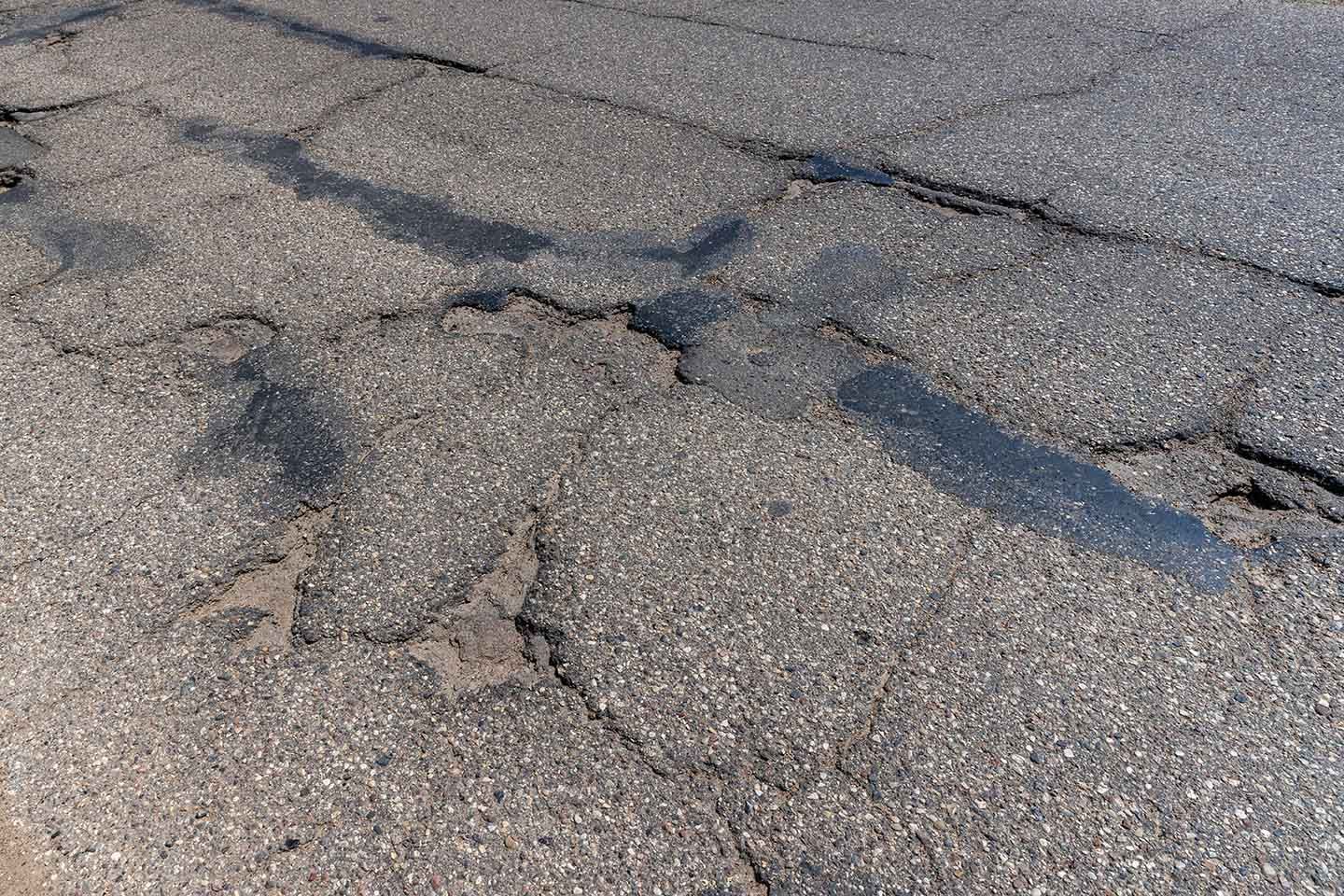
Look for these signs:
- Surface cracks and faded pavement.
- Isolated potholes.
- Areas where water pools after rain.
- Sunken or raised sections.
- Worn striping and unclear parking lines.
Take photos and mark each spot on a simple map. Include the date, and note after which storms the water pooled, since timing helps explain the cause. Share the map with every company you invite to quote, so the bids are comparable. This helps a commercial asphalt contractor understand the scope before the first visit.
Repair or Replace
The size of the damage decides the plan. Surface-level cracks, minor fading, or a few potholes usually call for repair. Replacement is needed when the base fails or the cracks are extensive.
A common rule of thumb is that if more than 25 percent of a lot is damaged, or if drainage problems continue despite repairs, a full replacement is often the most cost-effective path. A commercial asphalt contractor can give you an honest recommendation after an on-site look. Ask what evidence supports the advice, such as photos of the base or drainage problems.
Prepare Your Questions
A short list protects your project. Ask these before you sign:
- Who will give me the estimate, and will it be free and in writing?
- What does the quote include, such as grading, repair, paving, and striping?
- How will the work be phased around my business hours?
- How long will customers be kept out of the work area?
- What aftercare steps should I follow?
Plan Around Your Business
Every lot serves customers, employees, and deliveries. Think about when your property is least busy and which areas must stay open.
Share this information with your commercial asphalt contractor early. A good plan can break the lot into sections, so part of it stays usable. Also plan for signs and barriers that keep people away from new asphalt.
Prepare the Property
Clear the area before the crew arrives. Tenants, delivery drivers, and staff should all know the dates and the areas that will be closed. These steps help:
- Move vehicles and notify tenants or staff.
- Clear debris and obstacles.
- Mark sprinkler heads, bollards, and low branches.
- Make sure access routes are clear for equipment.
- Tell your contractor about any drains or utilities.
Think About Striping and Maintenance
New pavement is the best time to plan for striping. Clear lines improve safety and make parking easier.
Maintenance matters after the job. Crack filling, sealcoating, striping, and pothole patching help pavement last longer. Ask your commercial asphalt contractor which maintenance schedule fits your property. A short written schedule helps you budget and keeps the pavement from slipping out of your plans.
What to Expect on Project Day
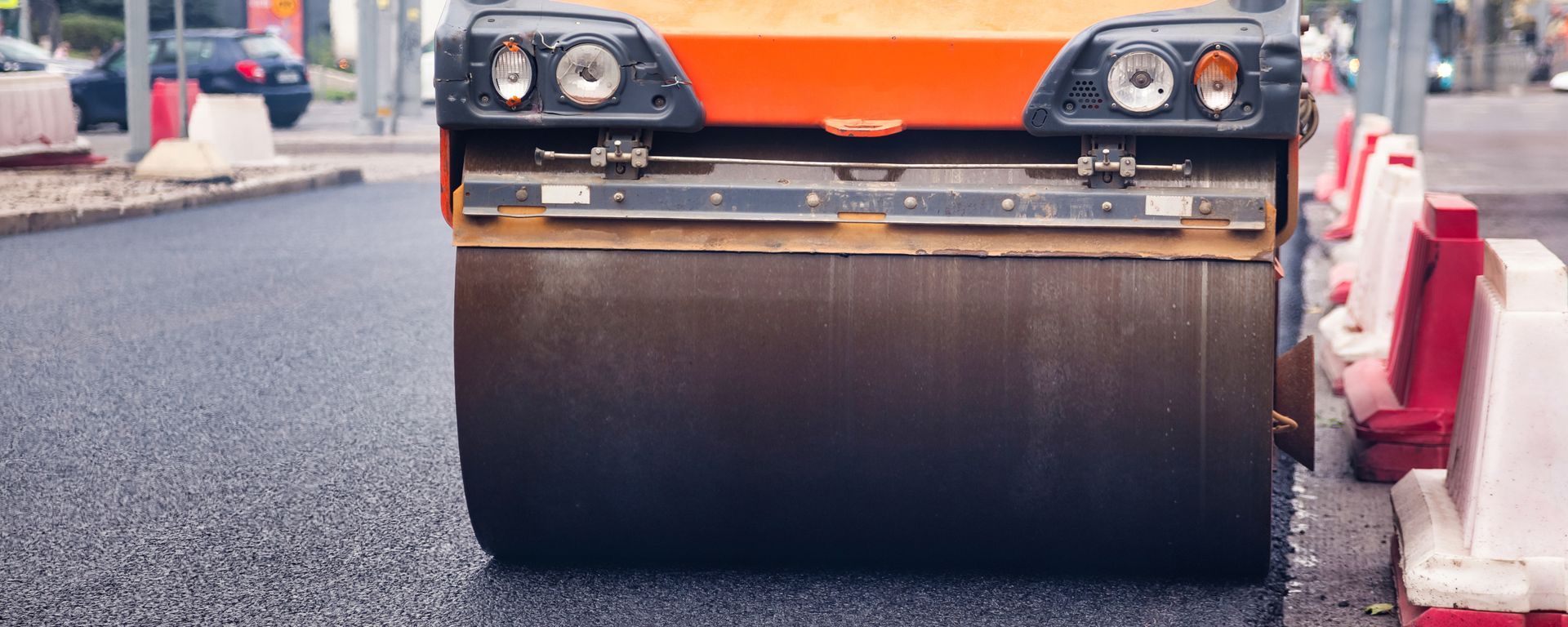
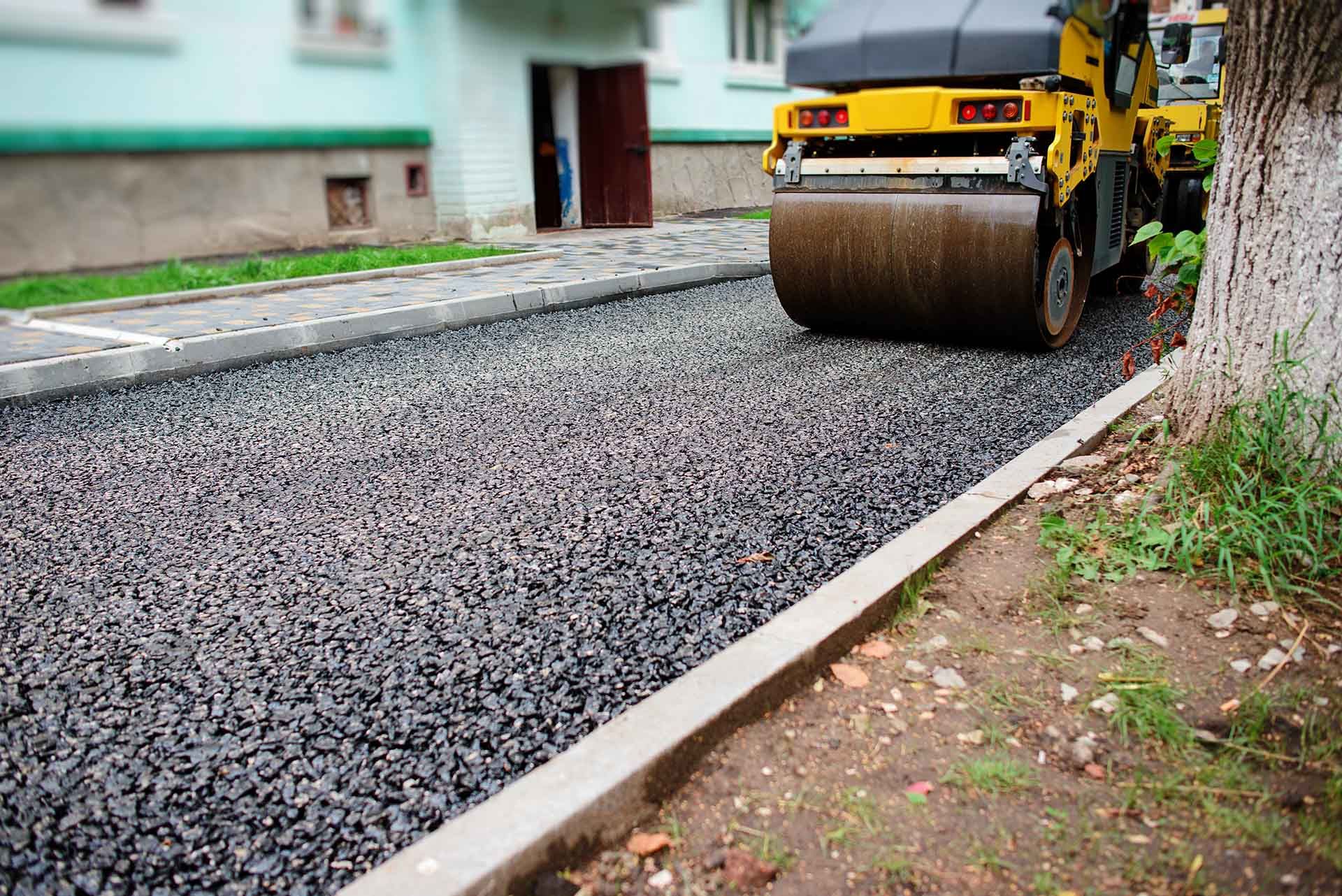
On the day of the project, your contractor will prepare the site, set up barriers, and begin work. Expect noise and equipment in the work area.
After paving, keep vehicles off the new surface for at least 24 to 48 hours. Heavy vehicles may need to wait longer. Ask your contractor for a timeline based on the weather.
Questions About Commercial Parking Lot Work
How Do I Know if My Lot Needs Repair or Replacement?
Surface cracks, minor fading, and isolated potholes usually call for repair. Replacement is likely when the base fails or damage is widespread. An on-site assessment gives you a clear answer.
Can Work Be Done Without Closing the Whole Lot?
Often it can, if the project is phased into sections. Share your hours and access needs early. Your contractor can plan around them.
What Maintenance Helps Pavement Last Longer?
Crack filling, sealcoating, striping, and pothole patching all help. Regular maintenance prevents small issues from becoming major failures. Sealcoating every two to three years is a common recommendation.
How Soon Can Customers Use the New Pavement?
Plan to keep traffic off for at least 24 to 48 hours. Heavy vehicles may need up to a week. Ask your contractor for guidance that fits the weather.
Work With a Local Paving Team
A clear checklist makes projects easier. Chippewa Asphalt Paving is a Clio-based company serving Flint, MI, businesses with more than 43 years of Genesee County experience. The owner gives each free estimate himself.
Learn more about our
parking lot paving or our
commercial asphalt work in Fenton, or
contact us to schedule a visit. You can also
call (810) 238-2660 to speak with the team.


New Asphalt vs. Resurfacing in Swartz Creek, MI: What an Asphalt Paving Contractor Wants You to Know